

After conducting comprehensive analysis across thousands of restaurant operations over the past decade, we have identified three critical morning operational protocols that consistently distinguish thriving establishments from those struggling with profitability and operational efficiency.
The hospitality industry has long understood that exceptional service drives customer loyalty. However, recent behavioral research suggests that the strategic application of reciprocity principles may be equally—if not more—influential than service quality alone.
A landmark study published in the Journal of Applied Social Psychology reveals insights that challenge conventional approaches to customer experience management in restaurants.
The Research: Small Gestures, Significant Returns
In 2002, a team of psychologists partnered with multiple New York restaurants to examine whether small, unexpected gestures would measurably impact customer behavior—specifically, gratuity amounts.
Their methodology was straightforward: servers would offer complimentary mints to diners upon check presentation, with variations in quantity and delivery method across different experimental conditions.
Initial results showed promise. When servers provided a single mint with the check, average gratuities increased from 15.06% to 17.84%—an 18% improvement from a gesture costing mere pennies.
However, the second phase of research uncovered findings far more nuanced than a simple cost-benefit analysis would suggest.
The research team tested three distinct conditions across 80 dining parties:
Condition One: Server presents one mint with the check.
Result: 3% increase in gratuities.
Condition Two: Server presents two mints with the check.
Result: 14% increase in gratuities.
The data already defied linear expectations—doubling the gesture yielded nearly five times the impact.
Condition Three: Server presents one mint with the check, begins departing, then returns to the table.
“You know what? You’ve been wonderful guests this evening. Please, take an extra mint.”
The total offering remained identical to Condition Two: two mints per table.
Yet gratuities increased 21% above the control group—a 50% improvement over Condition Two despite providing the same quantity.
The researchers’ conclusion was unequivocal: the value wasn’t in the gift itself, but in the perception of personalized recognition.

The Hospitality Parallel: DoubleTree’s Strategic Implementation
This principle extends well beyond restaurant operations, as evidenced by one of hospitality’s most recognized case studies: the DoubleTree by Hilton chocolate chip cookie program.
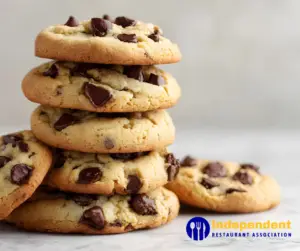 Since 1986, DoubleTree has presented every guest with a warm chocolate chip cookie at check-in. The program has become so synonymous with the brand that the company now distributes over 75,000 cookies daily across their properties worldwide.
The cookie itself costs the hotel approximately 20 cents. Yet its impact on guest satisfaction scores, brand recognition, and repeat bookings has been documented extensively in hospitality literature.
What makes the DoubleTree example particularly instructive is the delivery mechanism: the cookie arrives warm, immediately upon check-in, and is presented by a staff member with a genuine welcome.
It’s unexpected. It’s sensory. And it signals to guests that this property operates differently than competitors.
The cookie has become so integral to DoubleTree’s brand equity that during the 2008 financial crisis, when the company considered eliminating the program to reduce costs, guest feedback was so overwhelmingly negative that leadership reversed the decision within weeks.
This demonstrates a critical principle: when reciprocity gestures are executed authentically and consistently, they transcend promotional tactics and become brand differentiators.
Implications For Independent Restaurant Operations
The distinction between generic hospitality and strategic reciprocity lies in three key elements the research illuminates:
- Personalization Over Systematization
The “return to the table” gesture in Condition Three created the perception of spontaneity. It suggested the server made an individual decision based on genuine appreciation, rather than following a prescribed protocol.Independent restaurants possess a significant advantage over chain operations in this regard: the flexibility to empower staff to make personalized decisions without corporate approval.
- Timing and Unexpectedness
Both the mint study and the DoubleTree cookie succeed partially because they arrive when guests aren’t expecting additional value. The mint comes after the dining experience has concluded. The cookie arrives before the hotel stay has formally begun.Strategic timing amplifies perceived value. A gesture delivered during a moment of transition—between ordering and dining, or between dining and departure—registers more significantly than one embedded within expected service sequences.
- Emotional Resonance Over Monetary Value
The research demonstrates conclusively that gift magnitude matters less than the feeling it generates. Two mints delivered generically underperformed one mint delivered personally, despite representing greater material value.
This has profound implications for marketing budget allocation. Independent operators often cannot compete with chain restaurants on promotional spending. However, they can compete—and win—on making guests feel genuinely valued as individuals rather than transaction numbers.
Practical Applications Beyond Front-of-House Service
While the mint study focused on server behavior, the underlying principles apply across the entire customer journey:
Reservation Confirmation: Rather than automated confirmations, consider personalized messages for repeat guests or special occasions that reference previous visits.
Slow Period Strategy: Instead of blanket discount promotions, identify loyal customers and extend personalized invitations to exclusive preview events or chef’s table experiences during typically slower periods.
Post-Visit Follow-Up: Generic email campaigns generate predictable results. Personalized outreach—particularly when it references specific details from a guest’s visit—triggers reciprocity far more effectively.
Staff Training: The most sophisticated reciprocity strategies fail without proper implementation. Training staff to recognize opportunities for genuine, spontaneous gestures may yield greater returns than scripted service protocols.
The Competitive Landscape in 2026
Independent restaurants face unprecedented challenges: delivery platform fee structures, labor cost pressures, and competition from well-capitalized chain operations with substantial marketing budgets.
However, the research suggests a viable competitive strategy: independent operators cannot outspend chains, but they can out-personalize them.
Corporate restaurant groups excel at consistency and efficiency. They struggle with authentic personalization at scale.
Independent restaurants possess the operational flexibility to implement the very strategies that research proves most effective—if ownership and management prioritize them strategically rather than viewing them as incidental “nice touches.”
Conclusion
A 2-cent mint, delivered with intentionality, generated a 21% increase in gratuities.
A 20-cent cookie became a defining brand asset for an international hotel chain.
The lesson isn’t about mints or cookies. It’s about understanding that in an increasingly commoditized hospitality landscape, the restaurants that thrive will be those that make guests feel something genuine.
Not through larger discounts or more aggressive promotions, but through small, strategic gestures that trigger the deeply human impulse toward reciprocity.
The research is clear. The implementation is accessible. The competitive advantage is available to those who act on it.